Running a small business means wearing a dozen hats — and logistics is one of the trickiest. Shipping delays, rising carrier costs, and inventory headaches can quietly eat into your profits and frustrate your customers. In fact, poor shipping experiences are one of the top reasons customers never come back, even if they loved the product itself.
The good news? Logistics doesn’t have to be complicated or expensive. With the right systems, tools, and partnerships, even a one-person business can run shipping operations that feel as smooth as a large enterprise. Whether you’re running an ecommerce store, a local delivery service, or a growing product-based business, these 10 tips will help you save money, save time, and keep customers coming back.

Why Logistics Matters More Than Most Business Owners Think
Many small business owners focus heavily on marketing and sales, and treat shipping as an afterthought. But logistics touches almost every part of your business — your profit margins, customer satisfaction, cash flow, and even your brand reputation. A single bad shipping experience can turn into a negative review that costs you future customers. On the flip side, fast and reliable shipping can become one of your biggest competitive advantages.
Let’s get into the tips.
1. Choose the Right Shipping Carrier for Your Business
Not all carriers are created equal. USPS, UPS, FedEx, and regional couriers each have different strengths depending on package size, delivery speed, and destination. USPS tends to work well for lightweight packages, while UPS and FedEx are often better for heavier or time-sensitive shipments.
Don’t lock yourself into a single carrier out of habit. Compare rates every few months, especially as your shipping volume grows, and consider using multiple carriers depending on the type of shipment. Many successful sellers use a mix of 2–3 carriers to balance cost and speed.
2. Negotiate Shipping Rates as You Scale
Many small business owners don’t realize that shipping rates are negotiable — even for smaller volumes. As your order numbers grow, reach out to carrier representatives directly, or work with a third-party logistics (3PL) provider who already has bulk discount agreements in place.
Even a 5–10% reduction in shipping costs can significantly improve your margins over a year, especially if you ship hundreds of orders per month.
3. Invest in Reliable Inventory Management
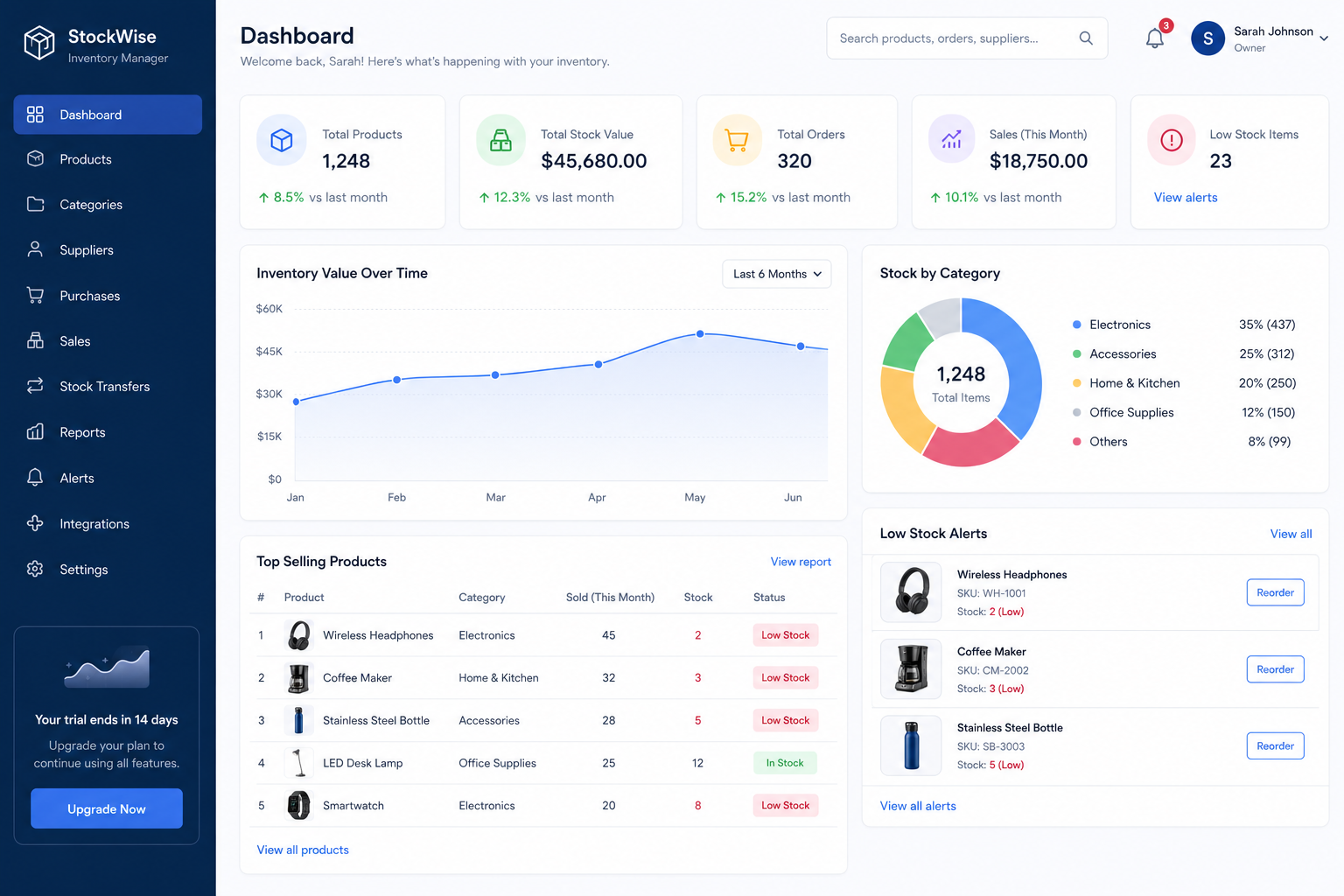
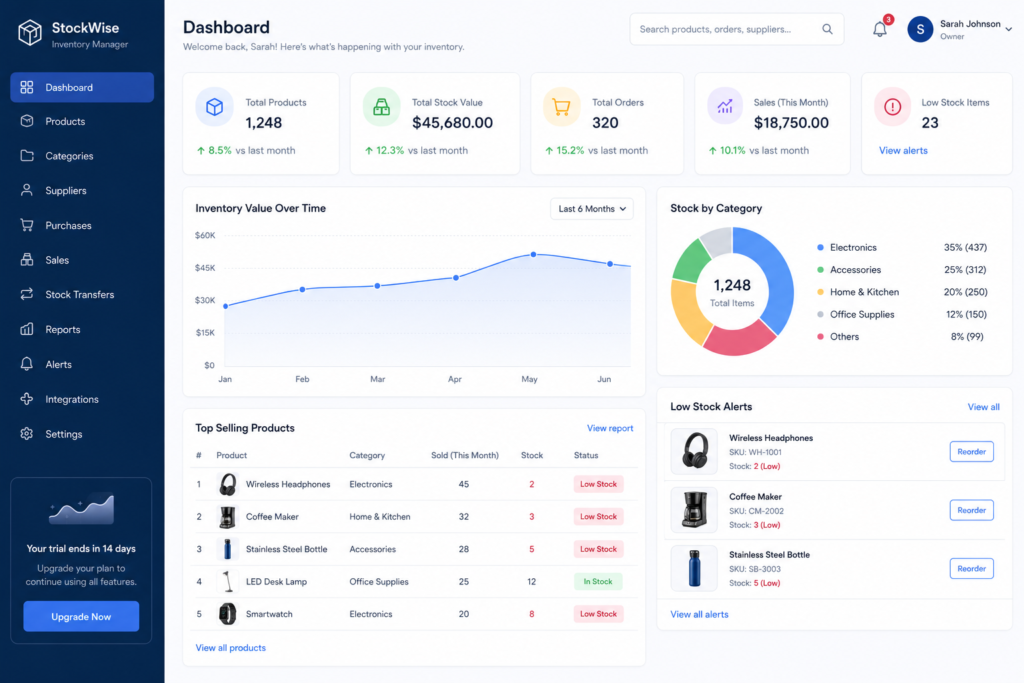
Poor inventory tracking leads to overselling, stockouts, and shipping delays — all of which damage customer trust. Use inventory management software that syncs with your sales channels in real time so you always know exactly what’s available to ship.
If you’re evaluating a business to purchase, ask the seller how their inventory system is set up. A business with clean inventory records and low error rates is usually a much smoother operation to take over.
4. Offer Transparent Shipping Costs Upfront
Hidden shipping fees are one of the top reasons customers abandon their carts. Be upfront about shipping costs at checkout, or consider building shipping costs into your product pricing for a “free shipping” experience — customers tend to respond better to this psychologically, even if the total price is the same.
Test different shipping price displays on your website and track your cart abandonment rate to see what works best for your audience.
5. Use Packaging That Protects and Saves Money
Right-sized packaging reduces dimensional weight charges and protects your products from damage during transit. Avoid oversized boxes — they cost more to ship and increase the risk of items shifting around, leading to returns and refunds.
Keep 2–3 standard box sizes on hand based on your most commonly shipped products, rather than ordering random sizes for every order.
6. Automate Your Shipping Labels and Tracking
Manual label creation is time-consuming and error-prone, especially as order volume increases. Shipping software that automates label printing, tracking updates, and customer notifications can save hours each week and reduce costly mistakes like wrong addresses or duplicate labels.
Look for shipping tools that integrate directly with your ecommerce platform so orders flow through automatically without manual data entry.
7. Plan for Peak Seasons in Advance
Holiday rushes and seasonal spikes can overwhelm an unprepared logistics system. Stock up on packaging supplies early, confirm carrier capacity ahead of time, and set realistic delivery expectations with customers during busy periods.
Businesses that plan for peak season 6–8 weeks in advance typically avoid the worst delays and shipping cost spikes that catch unprepared sellers off guard.
8. Build Strong Relationships with Suppliers
Reliable suppliers mean fewer delays and better pricing over time. Communicate regularly, pay on time, and build genuine partnerships — not just transactional relationships — with your key vendors.
Strong supplier relationships often come with perks like priority restocking, flexible payment terms, and early notice of price changes, all of which help you plan your logistics more effectively.
9. Track Shipping Metrics and Customer Feedback
Keep a close eye on delivery times, damage rates, and shipping-related complaints. This data helps you spot recurring issues and choose better carriers, packaging solutions, or fulfillment processes before small problems turn into big ones.
Simple metrics to track monthly: average delivery time, percentage of late shipments, damage/return rate, and shipping cost as a percentage of order value.
10. Consider Outsourcing to a 3PL Provider
As your business grows, managing logistics in-house can become overwhelming and take you away from higher-value tasks like sales and strategy. A third-party logistics (3PL) provider can handle warehousing, packing, and shipping — freeing you up to focus on growing your business.
If you’re looking at acquiring a business that already outsources logistics, that’s often a good sign of operational maturity.
Common Logistics Mistakes Small Business Owners Should Avoid
- Ignoring shipping costs when pricing products, which quietly eats into margins
- Sticking with one carrier out of habit instead of comparing rates regularly
- Waiting until peak season is already underway to prepare
- Not tracking shipping-related customer complaints as a data source
- Overlooking packaging costs as “small stuff” — they add up fast at scale

Frequently Asked Questions
What is the cheapest way for a small business to ship products?
Comparing rates across USPS, UPS, and FedEx regularly, using right-sized packaging, and negotiating rates as your volume grows are the most effective ways to reduce shipping costs.
When should a small business switch to a 3PL provider?
Most businesses consider outsourcing to a 3PL once order volume becomes too time-consuming to manage in-house, or when storage and packing space becomes a constraint.
How can I reduce shipping delays during holidays?
Plan 6–8 weeks ahead by confirming carrier capacity, stocking packaging supplies early, and communicating realistic delivery windows to customers.
Final Thoughts
Logistics doesn’t have to be a headache for small business owners. By choosing the right carriers, automating where possible, and keeping a close eye on your metrics, you can turn shipping from a cost center into a genuine competitive advantage.