Finding the right supplier can make or break an import-export business. A reliable supplier means consistent product quality, on-time shipments, and fair pricing. An unreliable one means delays, damaged goods, communication headaches, and lost customers. For small business owners entering global trade for the first time, supplier sourcing is often the single most important decision they’ll make.
In this guide, we’ll walk through exactly how to find, vet, and build long-term relationships with suppliers you can trust — whether you’re sourcing locally or internationally.
Why Supplier Reliability Matters So Much
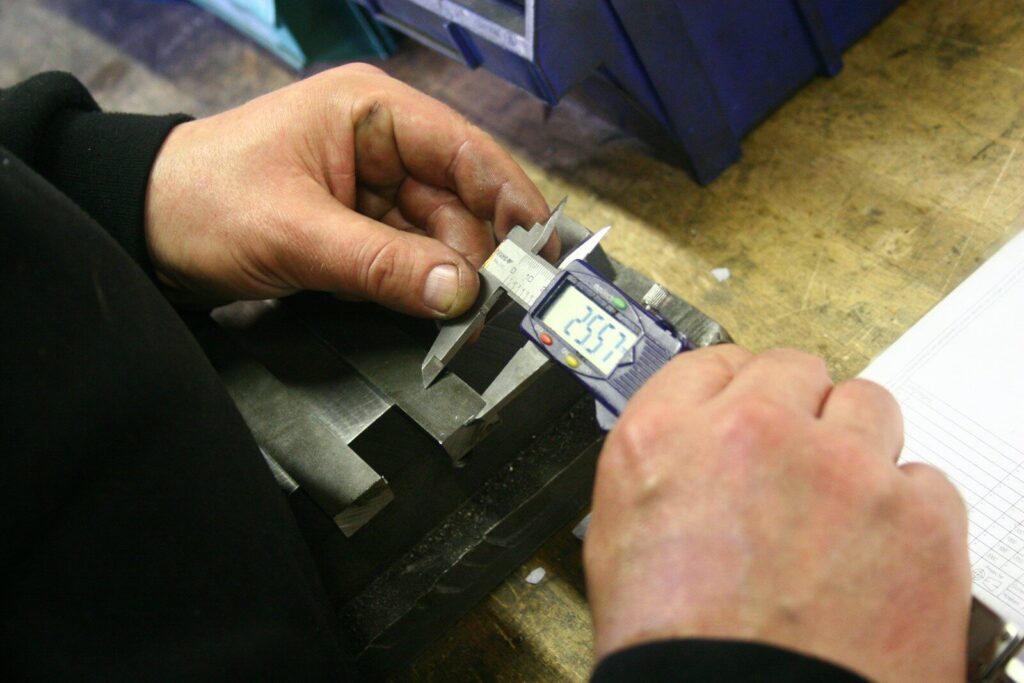
Your supplier is essentially an extension of your own business. If they miss deadlines, cut corners on quality, or fail to communicate clearly, your customers experience the consequences — not theirs. That’s why experienced traders spend as much time vetting suppliers as they do finding customers.
1. Start with Verified Trade Platforms and Directories
Avoid sourcing suppliers purely through cold outreach or unverified marketplace listings. Instead, use established B2B trade platforms that verify business licenses, certifications, and trading history. This dramatically reduces your risk of dealing with fraudulent sellers.
2. Request Business Licenses and Certifications
A legitimate supplier should have no issue sharing their business registration, export licenses, and relevant product certifications (such as CE, ISO, or FDA approvals depending on your industry). If a supplier is hesitant to provide documentation, treat that as a red flag.
3. Ask for Samples Before Committing to Bulk Orders
Never place a large order without first testing a sample. Samples let you evaluate material quality, craftsmanship, and packaging before you commit significant capital. Compare samples from 2–3 suppliers side by side to benchmark quality and pricing.
4. Check Supplier History and Reviews
Look for suppliers with a proven track record — years in business, verified transaction history, and reviews from other buyers. A supplier with a long, consistent trading history is generally lower risk than a newly listed one, even if their pricing looks slightly higher.
5. Communicate Clearly on Specifications and Expectations
Miscommunication is one of the most common causes of failed supplier relationships. Put specifications, quality standards, packaging requirements, and delivery timelines in writing — ideally in a signed agreement or purchase order — so there’s no ambiguity later.
6. Understand Payment Terms and Protect Yourself
Avoid paying the full amount upfront to a new supplier. Common and safer practices include a deposit (30–50%) with the balance paid before or upon shipment, or using trade assurance/escrow services that release payment only after goods are verified.
7. Visit the Factory or Use a Third-Party Inspection Service
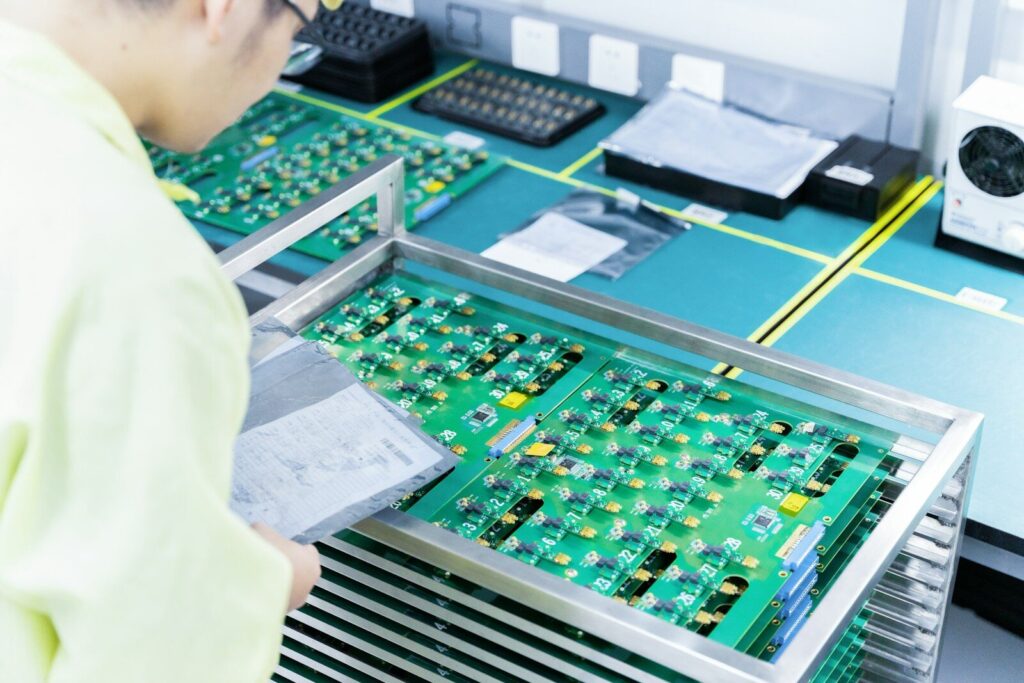
If possible, visit the supplier’s facility in person — especially for larger, ongoing orders. If travel isn’t feasible, hire a third-party inspection service to verify production quality and conditions before shipment. This small investment can prevent costly quality disputes later.

8. Diversify Your Supplier Base
Relying on a single supplier is risky — a factory shutdown, price increase, or quality issue can disrupt your entire business. Build relationships with 2–3 reliable suppliers per product category so you always have a backup option.
9. Evaluate Communication Speed and Professionalism
Pay attention to how quickly and clearly a supplier responds during your initial conversations. Slow, vague, or inconsistent communication before you’ve even placed an order is often a sign of how they’ll handle problems after the sale.
10. Work with an Established Trading Partner
If sourcing overseas suppliers feels overwhelming, working with an experienced international trading company can simplify the entire process. An established partner already has vetted supplier networks, quality control processes, and logistics expertise — reducing your risk significantly.
This is exactly the kind of support Shenzhen Confia International Trade Co., Ltd provides. With established sourcing networks and hands-on quality control experience, Confia helps small and growing businesses source reliably without the trial-and-error most first-time importers go through alone.

Red Flags to Watch Out For When Choosing a Supplier
- Refuses to share business licenses or certifications
- Pressures you to pay 100% upfront before any sample or trial order
- Inconsistent or unusually slow communication
- No verifiable trading history or reviews
- Prices significantly lower than the market average with no clear explanation
Frequently Asked Questions
How do I verify if an overseas supplier is legitimate?
Request business licenses, export certifications, and check their transaction history on verified trade platforms. Video calls and factory visits (in person or via inspection services) add another layer of confirmation.
What’s a safe payment structure for a new supplier?
A partial deposit (30–50%) with the remaining balance due before or upon shipment is standard. Trade assurance or escrow services add extra protection for first-time transactions.
Should I use one supplier or multiple?
Multiple suppliers per product category reduce risk. Relying on just one supplier leaves your business vulnerable to delays, price hikes, or quality issues outside your control.
Final Thoughts
Finding a reliable supplier takes time, research, and a bit of caution — but it’s one of the most valuable investments you can make in your business. Verify credentials, start small with samples, communicate clearly, and diversify your supplier base as you grow.
If you’d like expert guidance sourcing verified, reliable suppliers without the guesswork, Shenzhen Confia International Trade Co., Ltd can help simplify the process from sourcing to shipment. Explore our sourcing services →