High-Risk Product Categories Every Importer Should Know
Certain product categories consistently cause compliance issues due to strict international regulations. If you’re sourcing in these categories, extra diligence isn’t optional — it’s essential.
1. Food & Beverage Products
Food imports typically require health certificates, ingredient disclosures, and compliance with destination-country food safety authorities. Labeling requirements (language, nutritional info, allergen disclosures) also vary significantly by country.
2. Pharmaceuticals & Health Supplements
These are among the most heavily regulated categories globally. Importing without proper licensing, clinical documentation, or regulatory approval can lead to shipment seizure — and in some cases, legal penalties.
3. Cosmetics & Personal Care Products
Cosmetics often require ingredient safety disclosures and compliance with destination-market cosmetic regulations (such as banned substance lists). Products lacking proper safety data are frequently flagged.
4. Chemicals & Industrial Materials (Without MSDS)
Any chemical-based product — industrial or consumer-grade — generally requires a Material Safety Data Sheet (MSDS). Shipments without this documentation are routinely held, as customs authorities cannot verify handling or hazard classifications.
5. Precious Metals & High-Value Materials
Gold, silver, and other precious metals face strict import/export controls, valuation scrutiny, and often require additional licensing or declarations due to anti-money laundering and trade regulations.
Key takeaway: If your product falls into any of these categories, budget extra time for documentation and always verify current regulations — they change more often than most buyers expect.
The Documentation Checklist Most Importers Overlook
Even for non-restricted products, incomplete paperwork is one of the top causes of shipment delays. Before your goods leave the factory, confirm you have:
- Commercial invoice with accurate product value and description
- Packing list matching the invoice exactly
- Certificate of origin (required for tariff classification and trade agreements)
- Product test reports or safety certifications relevant to your category
- Correct HS (Harmonized System) code for tariff and regulatory classification
- MSDS sheets for any chemical-based or industrial product
Why Factory Inspections Matter More Than Most Buyers Realize
Many compliance issues aren’t intentional — they stem from suppliers cutting corners on materials, mislabeling products, or skipping safety testing to reduce costs. A pre-shipment factory inspection helps catch these issues before goods are loaded onto a container, not after they’ve already failed customs review.
A proper inspection typically verifies:
- Product specifications match the agreed order
- Materials used comply with destination-market safety standards
- Packaging and labeling meet import requirements
- Required certifications and test reports are genuine and complete
This is exactly the kind of on-the-ground verification that protects buyers from costly surprises — and it’s a core part of how experienced sourcing partners like Shenzhen Confia International Trade Co., Ltd support importers, through factory inspections, quality control checks, and documentation verification before goods ever leave China.
Setting Up Local Production? Compliance Starts Even Earlier
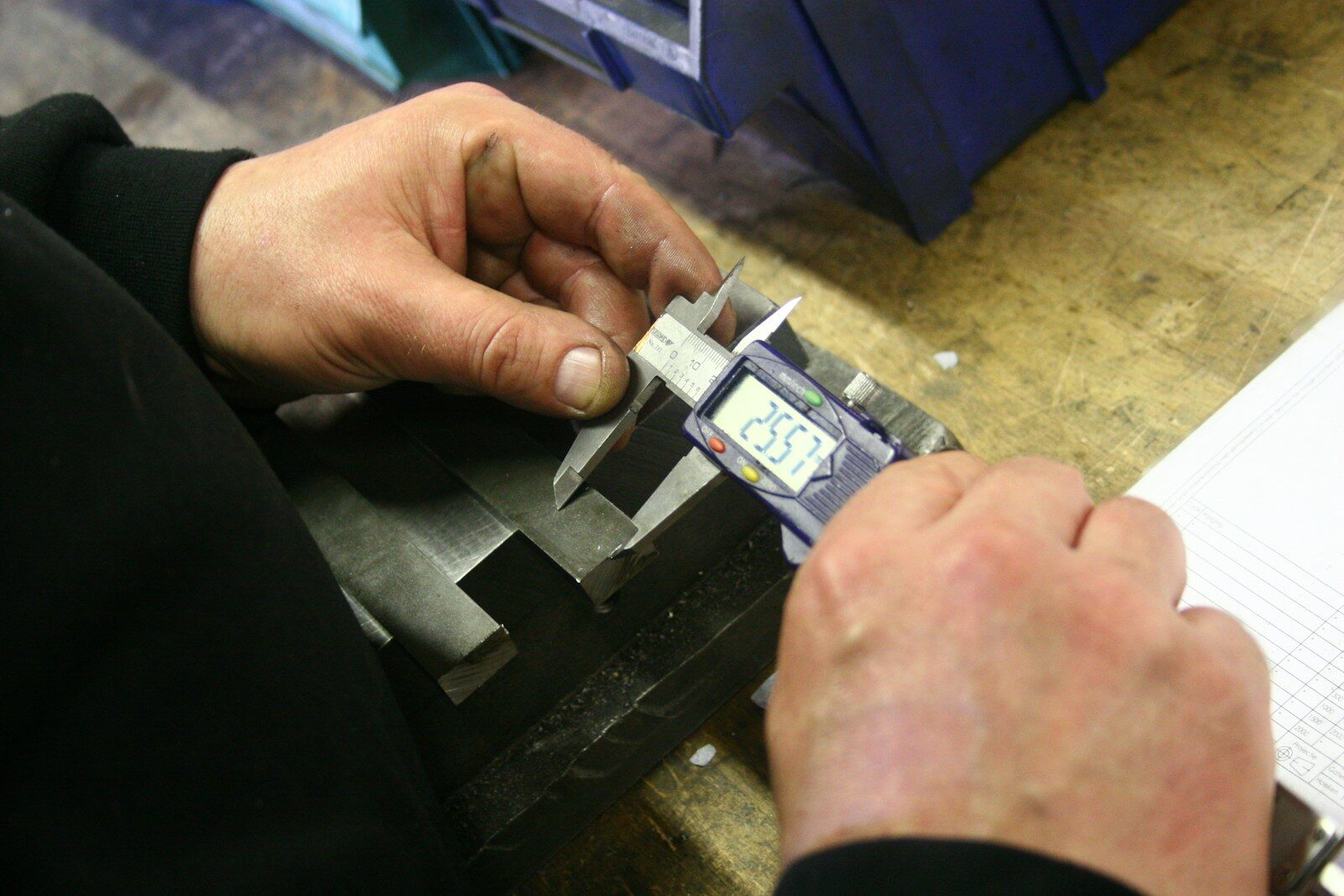
For businesses looking to move beyond one-time imports and establish local production or assembly — using sourced industrial machinery — compliance considerations start at the equipment level. Machinery must often meet destination-country safety, electrical, and operational standards before it can be installed or legally operated.
Confia’s Machinery & Industrial Setup support helps bridge this gap — from sourcing compliant equipment to guiding installation-ready documentation, reducing the compliance burden for businesses scaling their operations locally.
Key Takeaways: How to Import Safely from China
- Compliance depends on your destination country’s rules — not just the supplier’s word
- Restricted categories (food, pharma, cosmetics, chemicals, precious metals) require extra documentation and lead time
- Missing paperwork is one of the most common — and most preventable — causes of customs delays
- Factory inspections catch quality and compliance issues before shipment, not after
- Local production setups require machinery that meets destination-market compliance standards
Final Thoughts
Sourcing from China isn’t inherently risky — sourcing without proper compliance knowledge is. The businesses that scale successfully aren’t the ones who avoid regulation; they’re the ones who plan for it from day one.
If you’re navigating product sourcing, factory inspections, or customs documentation and want a partner who handles the compliance groundwork with you, Shenzhen Confia International Trade Co., Ltd supports importers through every stage — from supplier verification to quality control and customs-ready documentation.