Running a small business in today’s global market means navigating a complex web of suppliers, freight options, customs rules, and delivery timelines. Whether you’re importing products from China or shipping orders to customers worldwide, getting your logistics strategy right can be the difference between growing your brand and losing money on every shipment.
At Shenzhen Confia International Trade, we’ve helped hundreds of businesses streamline their supply chains since 2012. Here are 10 practical logistics and shipping tips that every small business owner should know.
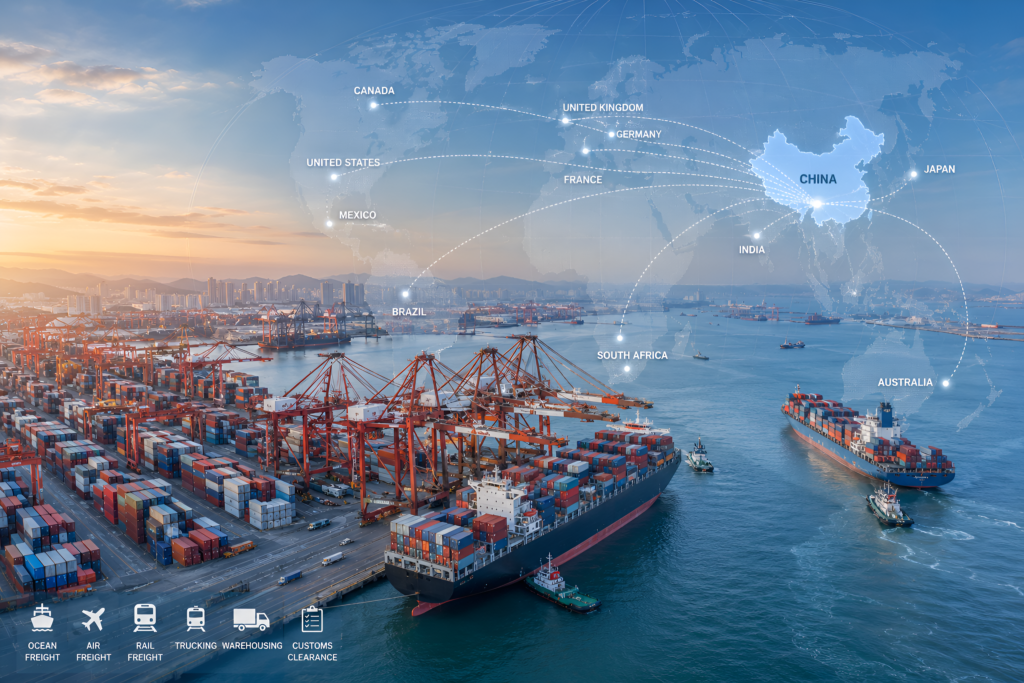
1. Understand the Difference Between Shipping Methods
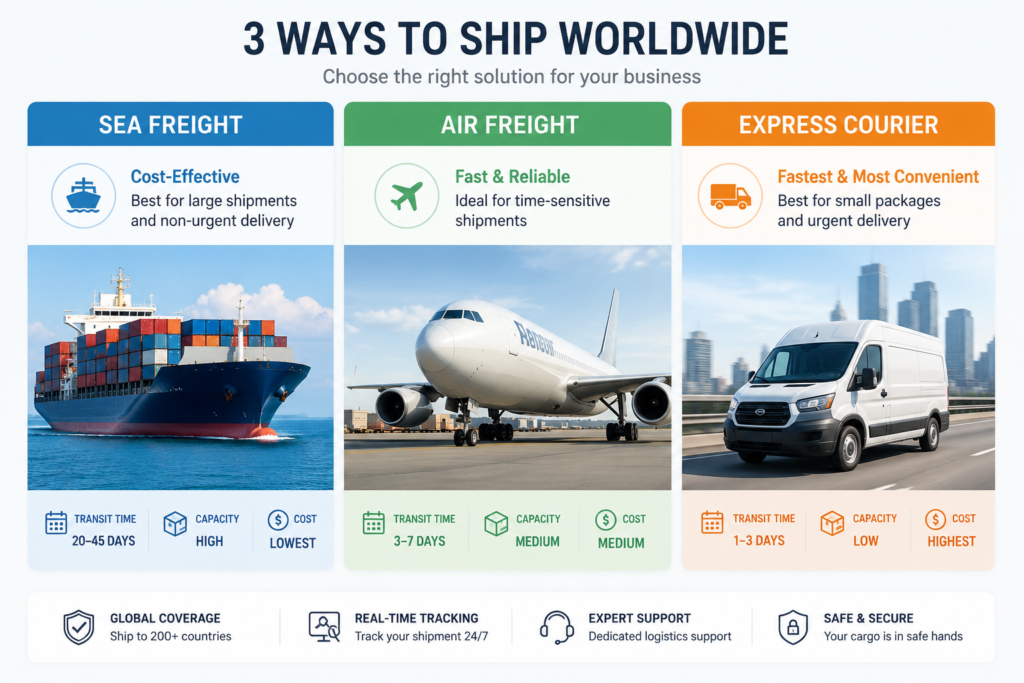
Not all shipping methods are created equal. The three main options for international freight are:
- Air Freight – Fast (3–7 days) but expensive. Best for small, high-value, or time-sensitive shipments.
- Sea Freight (FCL/LCL) – Cost-effective for large volumes. FCL (Full Container Load) is ideal when you fill an entire container; LCL (Less than Container Load) is better when you share container space with others.
- Express Courier – Services like DHL, FedEx, and UPS work great for small parcels under 100 kg, offering door-to-door delivery with tracking.
Choosing the wrong shipping method can either eat into your profit margins or delay your inventory unnecessarily. Our team at Shenzhen Confia helps you evaluate the best mode based on your cargo size, urgency, and budget. Learn more about our Logistics & Shipping services.
2. Always Work with a Verified Supplier
One of the biggest risks small business owners face is partnering with unverified or fraudulent suppliers. Fake invoices, substandard products, and ghost factories are real problems in international trade.
Before committing to any supplier:
- Request business licenses and factory certifications.
- Ask for product samples before placing bulk orders.
- Conduct factory audits, either in-person or through a trusted sourcing agent.
At Shenzhen Confia, our Sourcing & Procurement service connects you with pre-verified, audited Chinese manufacturers — so you get factory-direct pricing without the risk.
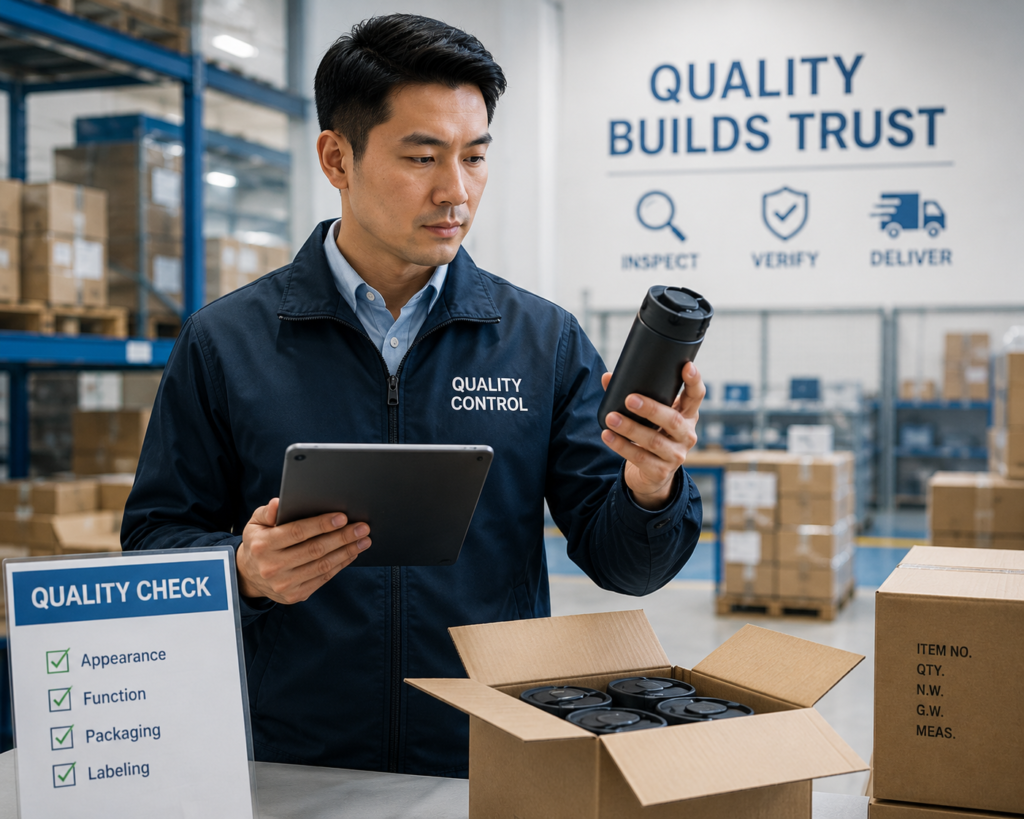
3. Never Skip Quality Inspection
Imagine paying for 5,000 units of a product, only to receive items that don’t meet your specifications. Without a quality inspection before shipment, this is a very real possibility.
Quality control steps you should insist on:
- Pre-production inspection – Confirm raw materials and components meet standards.
- During-production inspection – Catch defects early while manufacturing is still ongoing.
- Pre-shipment inspection – Final check before goods leave the factory.
Our Quality Control & Inspection service ensures every shipment is verified against your exact specifications before it ever reaches the port.
4. Know Your Incoterms
Incoterms (International Commercial Terms) are a set of globally recognized trade rules that define who is responsible for shipping costs, insurance, and risk at every stage of transport.
The most common ones for small businesses:
| Incoterm | Meaning |
|---|---|
| EXW (Ex Works) | Buyer handles all shipping from the factory gate |
| FOB (Free on Board) | Supplier handles delivery to the port; buyer takes over from there |
| CIF (Cost, Insurance, Freight) | Supplier covers cost, insurance, and freight to the destination port |
| DDP (Delivered Duty Paid) | Supplier/agent delivers goods to your door, all duties paid |
Understanding Incoterms protects you from unexpected costs and disputes. When you work with Shenzhen Confia, we make sure these terms are clearly defined in every supplier contract. Contact us if you need guidance on the right Incoterm for your trade.
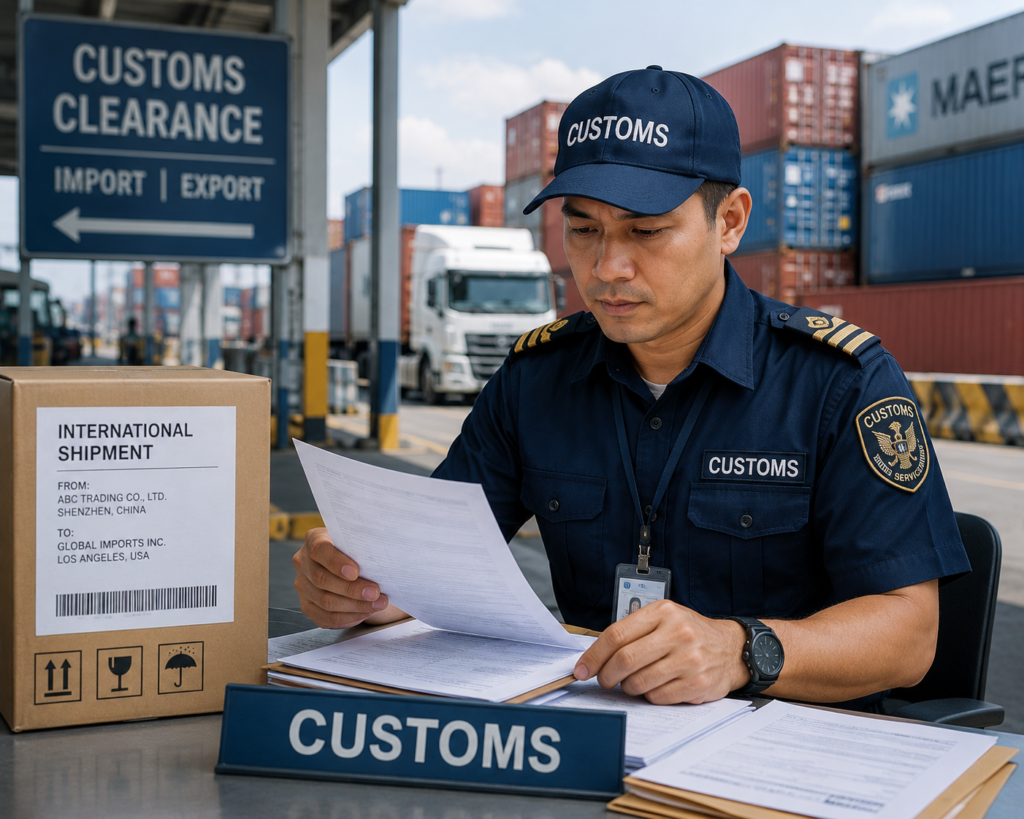
5. Factor in Customs Duties and Import Taxes Early
One of the most overlooked costs in international shipping is customs duties and import taxes. Many small business owners are surprised by large customs bills upon arrival of their goods — something that can seriously impact profitability.
Here’s how to stay ahead:
- Research your product’s HS Code (Harmonized System Code) to determine applicable duty rates.
- Check if any Free Trade Agreements exist between your country and China.
- Budget for VAT, GST, or local import taxes in your destination country.
- Work with a licensed customs broker or freight forwarder.
Shenzhen Confia provides end-to-end logistics including customs clearance coordination. Explore our Logistics & Shipping page for full details.
6. Consider Consolidation for Small Orders
If you’re a small business and your order volume doesn’t fill an entire shipping container, you don’t have to pay for one. LCL (Less than Container Load) consolidation allows multiple shippers to share container space — meaning you only pay for what you use.
Benefits of consolidation:
- Lower shipping costs for small to mid-sized orders
- Access to sea freight pricing even at low volumes
- Flexibility to ship more frequently without waiting to fill a container
This is especially useful for e-commerce brands and Amazon FBA sellers managing lean inventory. Our team at Confia regularly manages consolidated shipments for sellers worldwide.
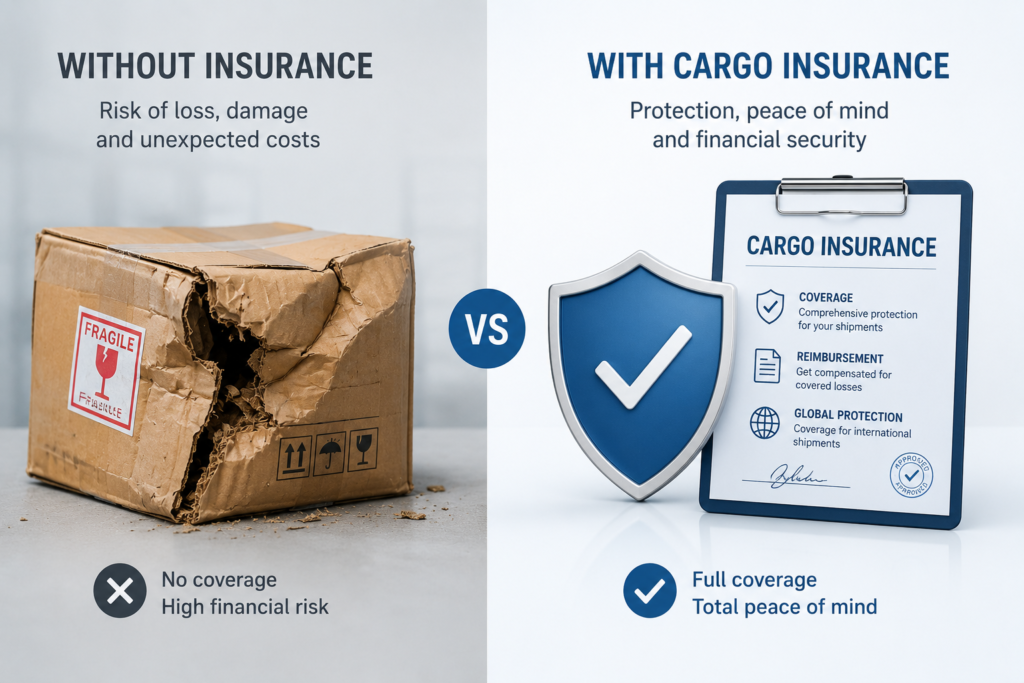
7. Get Cargo Insurance — Always
Many small business owners skip cargo insurance to save money. This is a costly mistake. Lost, damaged, or stolen cargo is more common than you’d think, especially over long international routes.
What cargo insurance typically covers:
- Physical damage during transit
- Theft or piracy (for sea freight)
- Natural disasters or accidents
- Port damage and mishandling
The cost of cargo insurance is usually 0.3% – 0.5% of the cargo’s total value — a small price for significant peace of mind. Ask your freight forwarder to include cargo insurance in every shipment. Our logistics solutions include insurance coordination as part of our end-to-end service.
8. Plan for Lead Times and Buffer Stock
One of the most damaging things for a small business is running out of stock. International shipping takes time — and unexpected delays due to port congestion, customs holds, or supplier issues can push your timeline back by weeks.
Smart lead time planning includes:
- Production lead time: 2–6 weeks depending on product complexity
- Shipping time: 1–4 weeks for sea freight; 3–7 days for air freight
- Customs clearance: 2–7 days
- Buffer stock: Always maintain 4–6 weeks of safety stock
By planning ahead and working with a reliable partner, you avoid stockouts and last-minute air freight costs that crush your margins. Our Sourcing service helps you build reliable supplier timelines from day one.
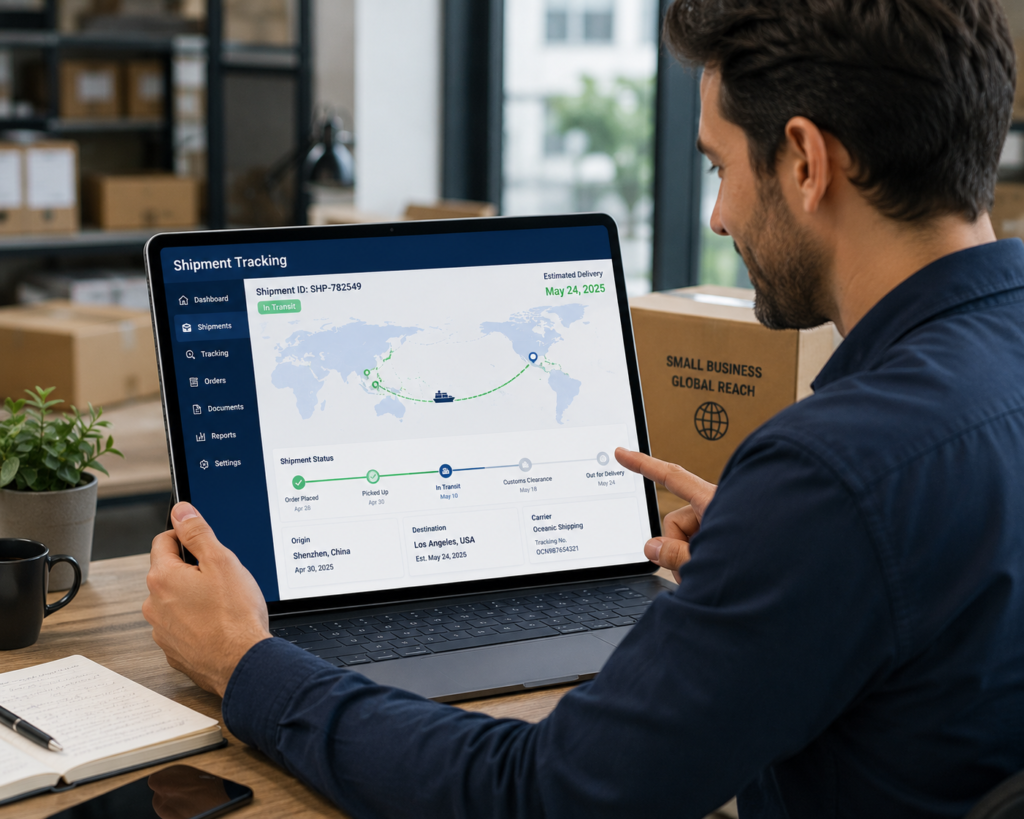
9. Leverage Technology for Real-Time Tracking
Gone are the days of wondering where your shipment is. Today’s logistics platforms provide real-time tracking, digital documentation, and instant alerts for delays or customs holds.
Tools and practices to adopt:
- Use freight forwarders who offer digital shipment tracking portals
- Set up automated alerts for key milestones (shipped, cleared customs, out for delivery)
- Integrate tracking data into your inventory management software (e.g., Shopify, NetSuite)
- Maintain digital copies of all shipping documents (commercial invoice, packing list, bill of lading)
At Shenzhen Confia, we provide real-time digital supply chain tracking so you always know where your cargo is. Get in touch to learn more about our tracking capabilities.
10. Partner with an Experienced Sourcing & Logistics Agent
Perhaps the single most impactful thing a small business owner can do is work with a professional sourcing and logistics partner based in China. A local partner eliminates language barriers, navigates supplier relationships, manages quality control, and coordinates all aspects of freight — saving you time, money, and stress.
What to look for in a sourcing agent:
- Established presence in China (physical office, on-ground team)
- Proven track record with verifiable client testimonials
- End-to-end capabilities: sourcing, QC, freight, customs, and value-added services
- Transparent pricing with no hidden fees
Shenzhen Confia International Trade has been that trusted partner for global businesses since 2012. We offer complete end-to-end supply chain solutions — from product sourcing and custom manufacturing to global freight forwarding, value-added services, and export certification.
Final Thoughts
Logistics doesn’t have to be overwhelming. With the right knowledge, the right partners, and a proactive approach, small businesses can compete on a global level — delivering products reliably, managing costs efficiently, and scaling with confidence.
Whether you’re just starting to import from China or looking to optimize an existing supply chain, Shenzhen Confia International Trade is ready to be your on-ground partner in China.
📩 Ready to simplify your logistics? Contact us today or submit an enquiry, and our team will get back to you within 24 hours.