Confia
Sourcing from China still scares off more small business owners than it should. The manufacturers are real, the savings are real, and the growth opportunity is real — but so are the horror stories about scam suppliers, failed inspections, and shipments stuck in customs for weeks.
The good news: none of that is inevitable. It’s a process problem, not a China problem. Get the process right and sourcing from China becomes one of the most reliable ways to grow margins and product range for your business.
This guide walks through exactly how that process works, step by step, so you know what to expect before you ever send a deposit to a factory.
Why Small Businesses Are Turning to China Sourcing
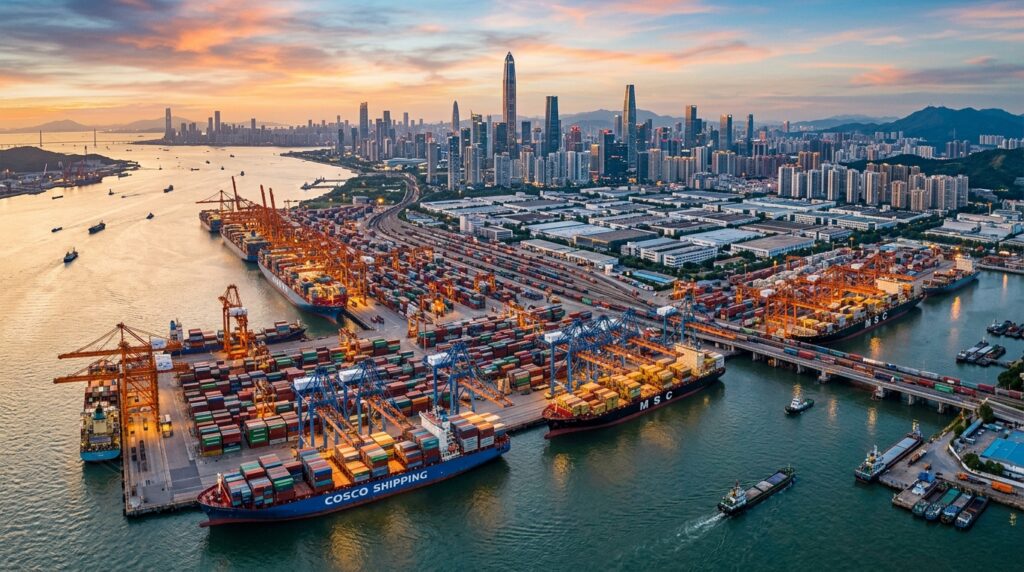
China remains the world’s largest manufacturing base, and for small businesses specifically, three things matter more than headline price:
- Manufacturing depth. Entire industrial clusters exist for single product categories — electronics in Shenzhen, textiles in Guangzhou, homeware in Yiwu — which means faster iteration and more supplier choice.
- Flexible order sizes. Many factories now accommodate lower MOQs than they did five years ago, making China viable even for early-stage brands.
- Custom product development. Beyond off-the-shelf goods, factories increasingly support private label and fully custom builds, which is where real brand differentiation happens.
None of this removes the risk of sourcing badly. It just means the upside is worth solving for.
The 6-Step China Sourcing Process (What Actually Happens)
1. Define the Product Spec Before You Talk to Any Factory
The single biggest cause of failed sourcing projects is vague specs. “A phone case, similar to this one” invites fifteen different interpretations. Before reaching out to suppliers, lock down:
- Materials and dimensions
- Target unit cost and target retail price
- Packaging requirements
- Certifications needed for your destination country (CE, FCC, RoHS, FDA, etc.)
2. Find and Vet Verified Manufacturers
This is where most first-time importers get burned — dealing with trading companies posing as factories, or factories with no real quality system. A proper vetting process includes business license verification, factory audits, and checking actual production capacity against your order volume.
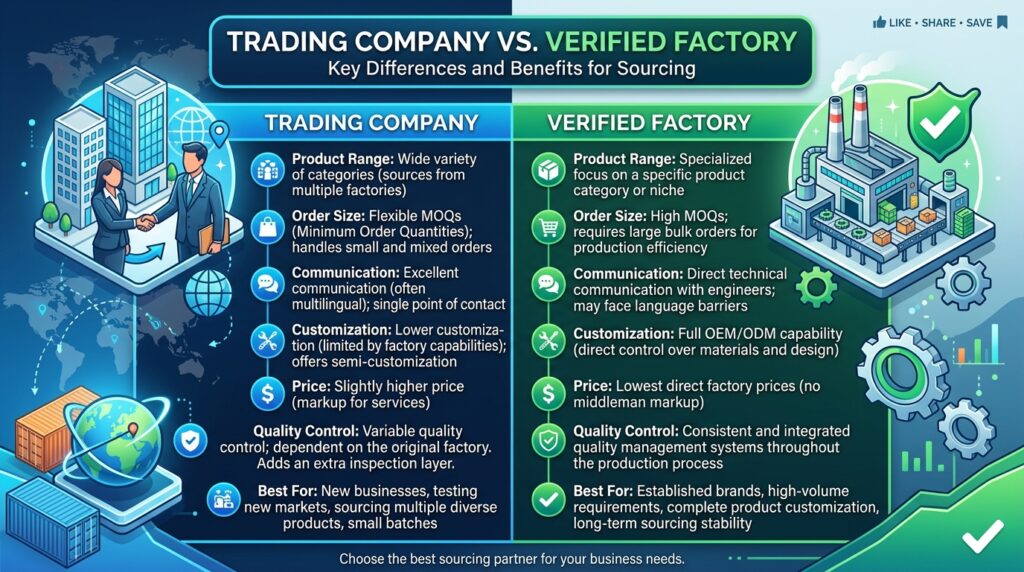
This is exactly the gap our sourcing services are built to close — we vet manufacturers on the ground before you ever commit to a purchase order.
3. Negotiate Price, MOQ, and Terms
Price is only one variable. Payment terms (30% deposit / 70% before shipping is standard, but not universal), lead times, and MOQ flexibility all need negotiating — and factories negotiate very differently with a known local partner in the room than with a first-time overseas buyer over email.
4. Quality Control and Pre-Shipment Inspection
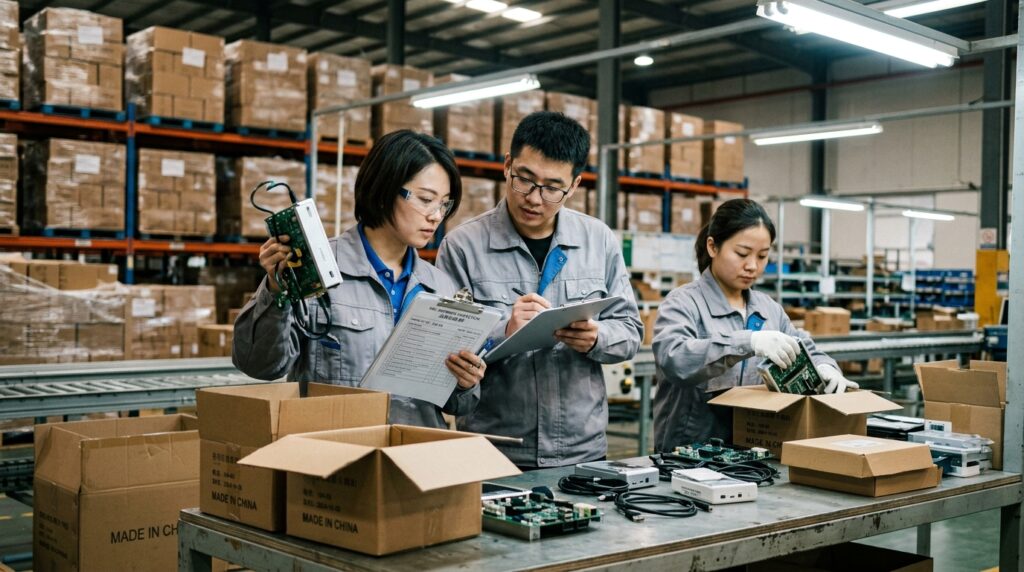
Never skip this step, regardless of how much you trust the supplier. A pre-shipment inspection checks the goods against your original spec — dimensions, function, packaging, defect rate — before the shipment leaves the factory, not after it lands at your door with no recourse.
5. Certification and Compliance
If your product needs certification to legally enter your target market, this has to be arranged before shipping, not after. Missing certification is one of the most common reasons goods get held at customs. Our export certification support handles this alongside sourcing so nothing falls through the cracks.
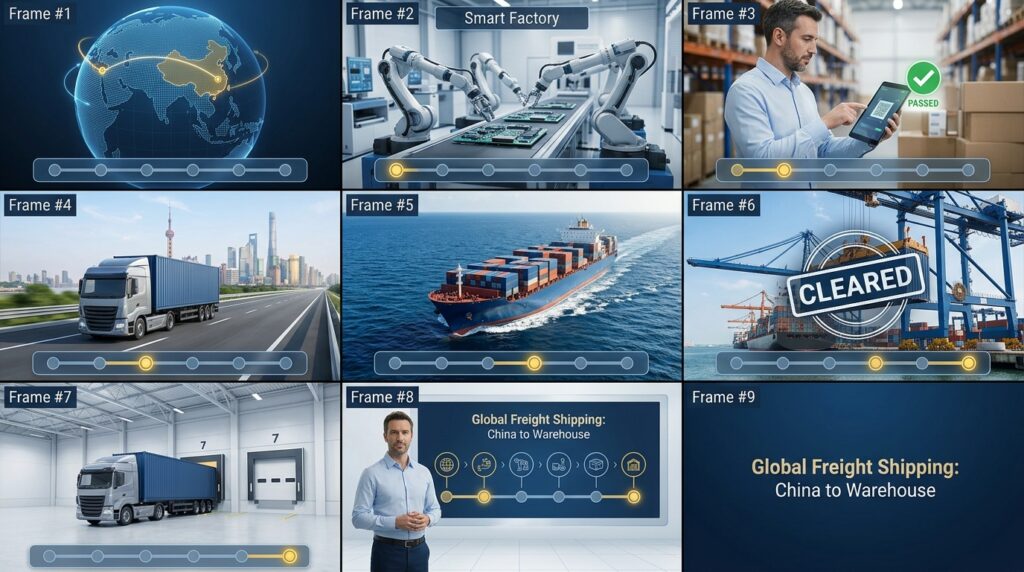
6. Shipping, Customs Clearance, and Delivery
The final mile is where timelines slip most often — customs documentation errors, choosing the wrong freight mode for your budget and deadline, or losing visibility on the shipment mid-transit. A good logistics partner manages sea, air, or land freight and full customs documentation end-to-end. This is the core of our logistics and shipping services, covering the full journey from the factory floor to your warehouse door.
Common Mistakes First-Time Importers Make
- Choosing the cheapest quote without checking factory credentials. The cheapest supplier is often cheap because they cut corners somewhere you won’t see until the goods arrive.
- Skipping a sample order. Always order and physically test a sample before committing to bulk production.
- Underestimating total landed cost. Freight, duties, insurance, and inspection fees can add 20–40% on top of the unit price — budget for it up front.
- Assuming all product categories need the same certification. Requirements vary hugely by product type and destination market.
- No contingency for delays. Chinese New Year alone shuts down most factories for 2–3 weeks every year; plan orders around it.
When It Makes Sense to Build a Custom Product Instead
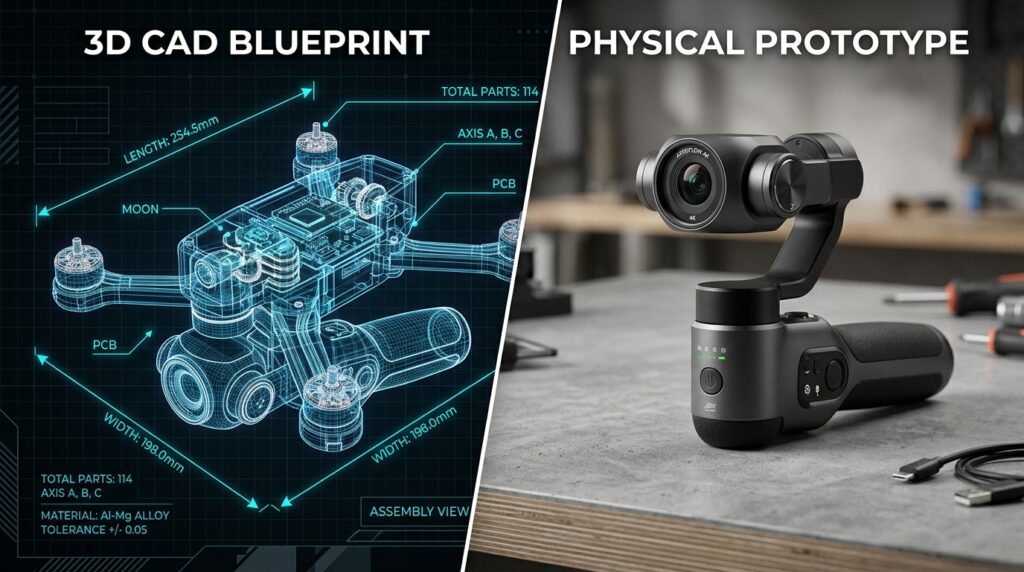
If you can’t find an off-the-shelf product that fits your brand, custom development is often more accessible than business owners expect — many factories will build to your spec once minimum volumes are met. This is where our custom product solutions team gets involved early, working with you on design feasibility before committing to tooling costs.
How Confia Simplifies This Entire Process
Everything above — sourcing, negotiation, quality control, certification, and logistics — is exactly what we handle end-to-end for clients in 100+ countries. Instead of coordinating five different vendors across two time zones, you get one accountable partner from factory floor to final delivery. If you also need value-added services like private labeling or packaging customization, we cover that too — see our value-added services for details.
If you’re planning your first (or next) China sourcing run, get in touch with our team and we’ll map out the process for your specific product category.